

Many believe fragrance differences between men and women stem purely from marketing, but science reveals a deeper truth. Genetic differences in olfactory receptors influence scent detection sensitivity across genders, creating biological foundations for these distinctions. This article explores the biological, cultural, and ethical factors shaping men’s and women’s perfumes, helping you make informed choices when selecting or gifting fragrances.
Table of Contents
- Understanding The Biological Basis Of Fragrance Differences
- Cultural And Marketing Influences On Gendered Fragrance Preferences
- What Makes A Fragrance Vegan And Cruelty-Free?
- Affordable Luxury: Balancing Quality And Price In Fragrances
- Emotional And Psychological Impact Of Fragrance In Personal Use And Gifting
- Common Misconceptions About Gendered And Ethical Fragrances
- Practical Guide To Selecting High-Quality Affordable Luxury Fragrances Online
- Tradeoffs Between Unisex And Gender-Specific Fragrances
- Explore Affordable Luxury Vegan And Cruelty-Free Fragrances At Scentilly
- Frequently Asked Questions
Key takeaways
| Point | Details |
|---|---|
| Biological differences matter | Men and women perceive scents differently due to genetic variations in olfactory receptors, influencing fragrance formulation. |
| Ethical choices available | Vegan perfumes exclude animal products while cruelty-free means no animal testing, both verified through certifications. |
| Affordable luxury exists | Quality fragrances balance ingredients, pricing, and ethics at €50-€120 per 50ml bottle. |
| Emotions drive choices | Scent connects deeply with personal identity and memories, influencing both daily wear and gifting decisions. |
| Consumer preferences split | 58% prefer gendered scents for personal identity clarity, while 42% favor unisex for versatility. |
Understanding the biological basis of fragrance differences
Your genes determine more than eye color or height. They also shape how you smell the world. Men and women possess different olfactory receptor variations that influence which scents they detect most strongly and prefer naturally.
Men typically show heightened sensitivity to musk and woody notes like cedarwood or sandalwood. Women generally detect floral and fruity scents like jasmine or peach more intensely. These aren’t arbitrary preferences but reflect real neurological differences in scent processing.
Perfume formulators leverage this biological basis of fragrance differences when creating gender-specific products. They amplify notes that resonate most strongly with each biological profile. This scientific foundation means fragrance gender distinctions extend beyond marketing labels.
Key biological factors include:
- Genetic variations in OR genes affect which molecules trigger strong responses
- Hormonal differences amplify certain scent family sensitivities
- Neural pathway variations influence emotional scent associations
- Receptor density differences create varying intensity thresholds
Understanding these biological realities helps you appreciate why certain fragrances feel more natural or appealing. Your body literally processes scents differently based on your genetic makeup.
Cultural and marketing influences on gendered fragrance preferences
Biology provides the foundation, but culture builds the structure. Societies teach us which scents signal masculinity or femininity from childhood. Marketing reinforces these associations through packaging, advertising, and product positioning.
Western markets strongly link masculinity with woody, spicy, and leather notes. Tobacco, amber, and vetiver appear prominently in men’s fragrance marketing. Femininity gets paired with florals, fruits, and sweet vanilla or caramel accents. These cultural codes become so ingrained they feel natural.
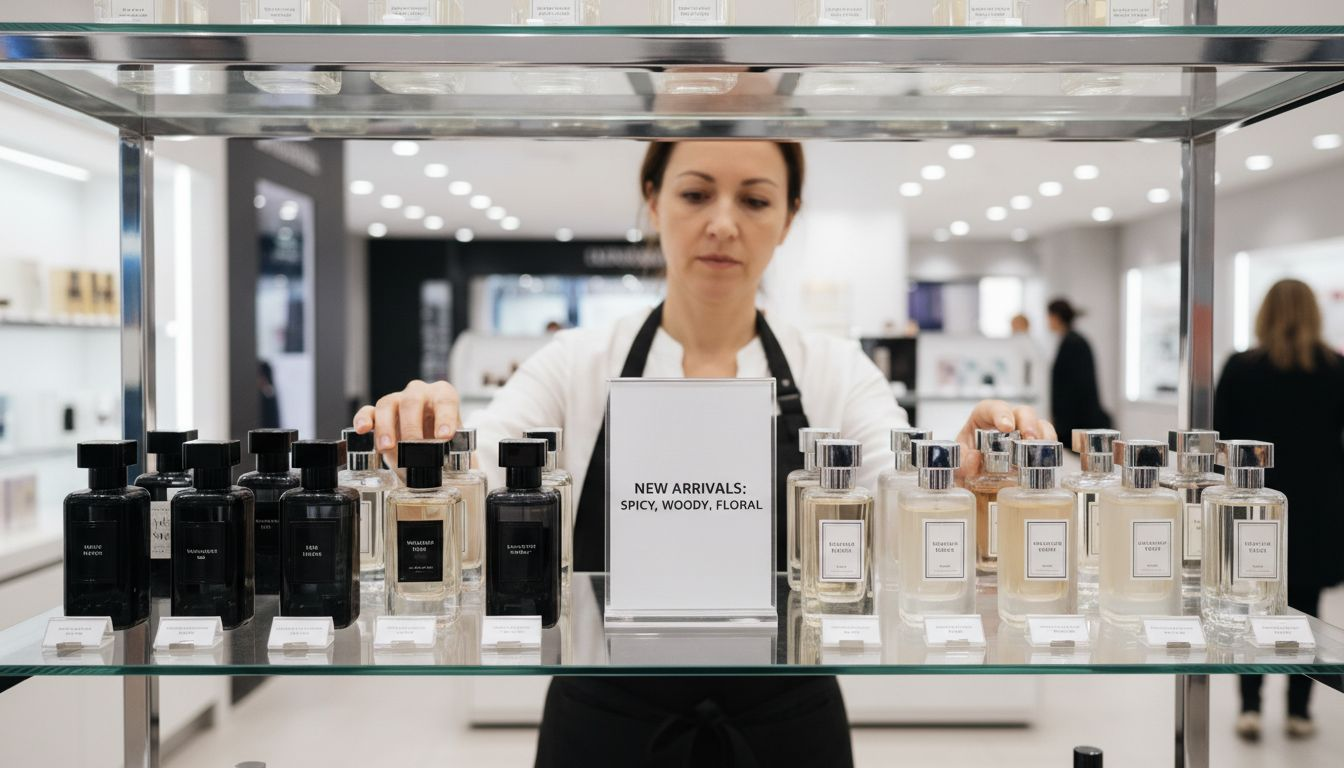
The Central European market, where Scentilly operates, maintains particularly defined gender fragrance categories. Italian perfumery traditions emphasize clear masculine and feminine scent profiles. Consumers expect and seek these distinctions when shopping.
Marketing strategies that shape preferences:
- Bottle design uses angular shapes for men, curves for women
- Color coding employs dark tones for masculine, pastels for feminine
- Brand messaging ties scents to lifestyle aspirations by gender
- Celebrity endorsements reinforce gender-specific scent associations
These cultural patterns aren’t inherently wrong. They help consumers navigate choices and express identity through scent. Recognizing them as cultural constructs empowers you to make choices aligned with your personal preferences rather than defaulting to expectations.
What makes a fragrance vegan and cruelty-free?
Ethical fragrance shopping requires understanding two distinct standards. Vegan means zero animal-derived ingredients. Cruelty-free means no animal testing occurred during development or production. A perfume can be one without being the other.
Traditional perfumery relied heavily on animal products. Musk came from deer glands, ambergris from whale intestines, castoreum from beaver glands. Modern vegan perfumes replace these with synthetic or plant-based alternatives that match or exceed the originals in quality and complexity.
European Union law banned animal testing for cosmetics in 2013, making cruelty-free status standard for EU-produced fragrances. However, brands selling in markets requiring animal testing may still conduct it. Verification matters when shopping online.
Authentication requires checking:
- Certified vegan logos from recognized bodies like The Vegan Society
- Cruelty-free certifications such as Leaping Bunny or PETA approval
- Complete ingredient transparency on brand websites
- Third-party verification rather than self-certification alone
Pro Tip: Screenshot ingredient lists and certification logos when shopping online to verify authenticity if questioned later. Reputable sellers like those offering vegan and cruelty-free perfume options provide this information upfront without requiring deep research.
Synthetic alternatives now rival natural ingredients in scent complexity. Advanced chemistry creates molecules identical to natural versions without animal harm. Quality vegan perfumes layer these components skillfully for depth and longevity.
Affordable luxury: balancing quality and price in fragrances
Affordable luxury occupies the sweet spot between drugstore fragrances and haute perfumery. These perfumes typically cost €50-€120 per 50ml bottle, delivering quality ingredients and ethical standards without premium brand markups.
The pricing structure reflects real value components. Quality essential oils, advanced synthetic molecules, and ethical certifications all add costs. However, competitive pricing strategies and direct-to-consumer models keep prices accessible for budget-conscious shoppers seeking vegan options.
| Price Range | Quality Level | Typical Features |
|---|---|---|
| €50-€75 | Entry affordable luxury | Vegan, 2-3 note complexity, 4-6 hour longevity |
| €75-€100 | Mid affordable luxury | Cruelty-free certified, 4-5 note layers, 6-8 hour wear |
| €100-€120 | Premium affordable luxury | Full ethical certification, 6+ note complexity, 8-10 hour performance |
Brands achieve this balance through several strategies. They source quality ingredients in volume for better pricing. Italian manufacturers like those featured on Scentilly combine traditional perfumery knowledge with efficient production. Eliminating middlemen through e-commerce further reduces costs.
Pro Tip: Calculate cost per wear rather than bottle price. A €90 perfume lasting 8 hours daily for 6 months offers better value than a €40 fragrance requiring reapplication every 3 hours. Understanding perfume pricing helps you evaluate true value beyond the initial cost.
Ethical certifications add €10-€20 per bottle due to verification costs and premium ingredients. However, this investment ensures alignment with your values. Quality and ethics coexist successfully in the affordable luxury segment when brands prioritize transparency and efficient operations.
Emotional and psychological impact of fragrance in personal use and gifting
Scent connects directly to your limbic system, the brain region governing emotion and memory. This neural pathway explains why certain fragrances instantly transport you to specific moments or people. Research shows 60% of fragrance users associate their perfumes with deep personal memories.
Fragrance serves as personal signature and identity expression. Your chosen scent communicates aspects of personality before you speak. Men often select fragrances projecting confidence or sophistication. Women frequently choose scents expressing creativity or elegance. These choices reinforce self-concept and social presentation.
Gifting fragrance requires understanding these emotional dimensions. Buyers consider recipient gender, personality, and values. Ethical attributes add meaningful layers when gifting to environmentally conscious recipients. A vegan, cruelty-free perfume communicates respect for their principles alongside personal care.
Psychological factors influencing fragrance choices:
- Memory associations trigger emotional responses to specific note families
- Identity expression through scent aligns with self-perception goals
- Social signaling communicates values and lifestyle to others
- Mood enhancement from preferred scents improves daily wellbeing
The gendered nature of most fragrances strengthens these emotional connections. Clear masculine or feminine profiles help wearers express gender identity confidently. This explains the 58% consumer preference for gender-specific scents in personal use.
Understanding these psychological impacts helps you select fragrances that resonate emotionally. Whether for daily wear or gifting, considering the emotional story a scent tells ensures satisfaction and meaningful connection.
Common misconceptions about gendered and ethical fragrances
Misunderstanding surrounds fragrance ethics and gender categories. Clearing these misconceptions helps you make informed purchasing decisions aligned with your actual priorities and values.
First, unisex fragrances aren’t inherently more ethical than gendered options. Gender labeling says nothing about ingredient sourcing or testing practices. In fact, 45% of gender-specific perfumes carry full vegan and cruelty-free certifications. Ethics depend on brand practices, not marketing categories.
Common myths to dismiss:
- Vegan perfumes lack scent complexity compared to traditional formulations
- Cruelty-free certification means a product contains no synthetic ingredients
- Men’s fragrances always cost less than women’s due to simpler formulations
- Gender-specific scents result purely from marketing without biological basis
- Affordable luxury perfumes cut corners on ethical standards to reduce costs
Advanced chemistry now replicates animal-derived ingredients perfectly. Synthetic ambergris smells identical to the natural version while avoiding whale harm. These alternatives often provide better consistency and longevity than natural extracts.
The biological foundation for gendered fragrances remains real despite marketing overlay. Your genetic makeup genuinely influences which scents you detect most strongly and prefer naturally. Cultural conditioning amplifies but doesn’t create these differences.
Affordable luxury brands maintain ethical standards through operational efficiency rather than compromise. Direct sales, volume sourcing, and transparent pricing enable quality vegan fragrances at accessible prices. Education about debunking fragrance misconceptions empowers confident shopping aligned with your true values.
Practical guide to selecting high-quality affordable luxury fragrances online
Online fragrance shopping offers convenience and selection but requires careful verification. Following systematic evaluation steps ensures you receive authentic, ethical products matching your expectations and budget.
Start with certification verification. Look for official vegan and cruelty-free logos from recognized certification bodies. Screenshots or downloadable certificates provide additional authentication. Legitimate brands display these prominently without requiring extensive searching.
Trusted vendor selection protects against counterfeits. Certified retailers like Scentilly authenticate products before listing. They provide ingredient transparency, certification documentation, and return policies. Avoid marketplaces where anyone can sell without verification.
Evaluation checklist for online purchases:
- Verify vegan and cruelty-free certifications through official logos
- Check complete ingredient lists for transparency
- Read customer reviews focusing on authenticity and longevity
- Confirm return policies and authentication guarantees
- Compare prices across certified vendors for fair market value
Customer reviews reveal real-world performance beyond marketing claims. Focus on comments about scent accuracy, longevity, and packaging quality. Multiple reviews mentioning similar issues or praise indicate reliable information.
Brand reputation research takes minutes but prevents costly mistakes. Check how long a brand has operated, their certification history, and any controversies. Established brands with consistent ethical standards offer lower risk than unknown newcomers.
For comprehensive guidance, resources on safe online fragrance shopping tips and trusted fragrance selections provide curated options meeting quality and ethical standards. These guides save research time while ensuring satisfaction.
Pro Tip: Purchase discovery sets or samples first when trying new brands. This low-risk approach lets you test scent compatibility and verify quality before committing to full-size bottles.
Tradeoffs between unisex and gender-specific fragrances
Choosing between unisex and gender-specific fragrances involves weighing multiple factors. Neither category holds inherent superiority. Your decision should reflect intended use, personal identity goals, and practical considerations.
Gender-specific fragrances offer clearer identity expression. Their formulations align with biological scent preferences and cultural expectations. When you want a scent unmistakably masculine or feminine, these deliver that clarity. Consumer preference surveys report 58% favor gender-specific scents for personal identity expression.
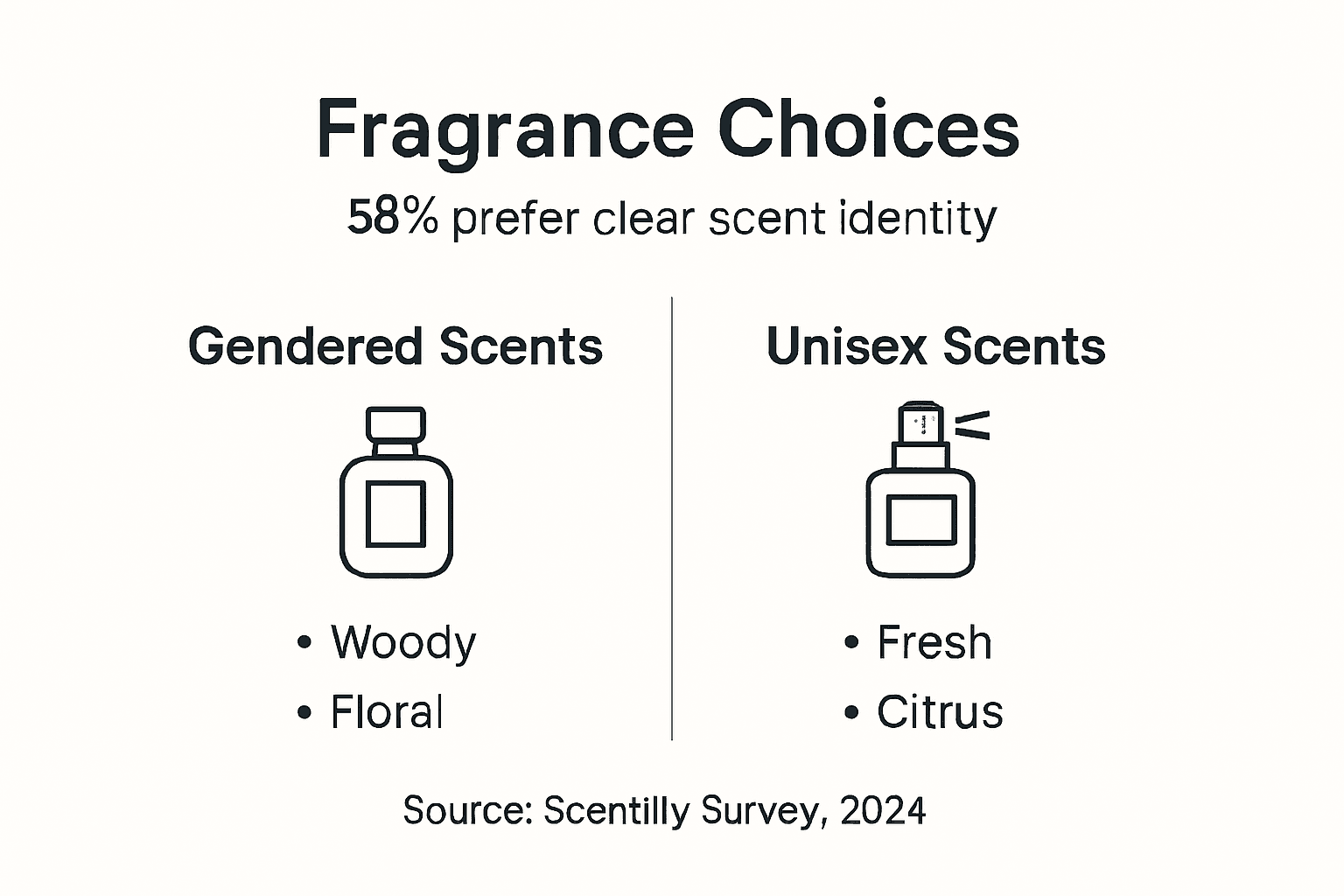
Unisex perfumes provide broader appeal and gifting versatility. They work across situations and recipients without gender assumptions. Their balanced note profiles appeal to wider audiences. The 42% preferring unisex options value this flexibility, especially for gifts.
| Aspect | Gender-Specific | Unisex |
|---|---|---|
| Identity clarity | High, reinforces gender expression | Moderate, emphasizes individuality |
| Gifting ease | Requires knowing recipient gender preference | Works for any recipient |
| Scent profile | Distinct masculine or feminine notes | Balanced, appeals broadly |
| Social perception | Aligns with traditional expectations | May seem unconventional to some |
| Personal satisfaction | Higher for 58% seeking clear identity | Preferred by 42% valuing versatility |
Context matters significantly. Daily personal wear often benefits from gender-specific choices that feel authentic to your identity. Gifting scenarios, especially when recipient preferences are uncertain, favor unisex options reducing risk of mismatch.
Considerations guiding your choice:
- Personal identity goals and how you want scent to express yourself
- Recipient preferences and values when selecting gifts
- Occasion formality and social context of wearing
- Versatility needs if sharing fragrance with partners or family
Neither choice excludes ethical standards. Both categories include extensive vegan and cruelty-free options. Your decision should prioritize scent preference, intended use, and personal values over assumptions about which category offers superior quality or ethics.
For more insight, exploring consumer preference data on unisex vs gendered fragrances reveals how different demographics approach these choices based on age, values, and usage patterns.
Explore affordable luxury vegan and cruelty-free fragrances at Scentilly
Applying this knowledge becomes effortless when shopping with verified retailers specializing in ethical fragrances. Scentilly curates affordable luxury perfumes meeting strict vegan and cruelty-free standards, removing guesswork from your selection process.
Every fragrance features transparent ingredient lists and certification documentation. Whether you prefer gender-specific scents for identity clarity or unisex options for versatility, the collection spans both categories at €50-€120 price points. Italian craftsmanship ensures quality rivaling premium brands.
Browse affordable vegan fragrances curated for conscious consumers. Detailed descriptions help match scents to preferences and occasions. Customer reviews provide real-world performance insights before purchase.
Understanding pricing structures empowers confident investment in fragrances balancing quality, ethics, and budget. Authentication guarantees protect against counterfeits while fast shipping delivers your selections promptly.
Explore the bestseller collection featuring popular cruelty-free perfumes backed by consistent customer satisfaction. Each purchase supports ethical perfumery while delivering scents you’ll love wearing or gifting.
Frequently asked questions
What are the main differences between men’s and women’s fragrances?
Men’s fragrances typically emphasize woody, spicy, and musk notes like cedarwood, black pepper, and amber. Women’s perfumes feature more floral and fruity compositions such as rose, jasmine, and berry accords. These differences stem from biological scent perception variations and cultural marketing reinforcing gender associations. However, personal preference ultimately matters most. Many people successfully wear fragrances marketed for the opposite gender when the scent profile appeals to them.
How can I verify if a fragrance is truly vegan and cruelty-free?
Look for official certification logos from recognized bodies like The Vegan Society or Leaping Bunny on product packaging and brand websites. Trusted retailers provide complete ingredient lists and certification documentation upfront. Research brand transparency by checking their stated policies on animal testing and ingredient sourcing. EU regulations ban animal testing for cosmetics, making European-produced fragrances generally cruelty-free, but vegan certification requires separate verification. When uncertain, contact brands directly requesting proof of certification before purchasing.
Are unisex fragrances less ethical or lower quality than gender-specific ones?
No, fragrance quality and ethics depend on ingredient sourcing and brand practices, not gender labeling. Many gender-specific perfumes carry full vegan and cruelty-free certifications. Unisex fragrances aren’t automatically superior ethically. Both categories include options across quality and price spectrums. Choose based on scent preference, certification verification, and brand transparency rather than assuming gender classification indicates ethics or quality levels.
Why do affordable luxury fragrances cost less than designer brands?
Affordable luxury brands reduce costs through direct-to-consumer sales eliminating retail markups, efficient production at scale, and lower marketing expenses. They invest in quality ingredients and ethical certifications while avoiding premium brand positioning costs. Italian manufacturers leverage traditional perfumery expertise with modern efficiency. These operational strategies maintain quality and ethics at €50-€120 price points versus €150-€300 for comparable designer fragrances. The savings come from business model efficiency, not ingredient or ethical compromises.
Can fragrances marketed for one gender work well for another?
Absolutely. While biological differences influence average preferences, individual variation exceeds group differences. If a fragrance’s notes appeal to you and align with your identity expression goals, gender labeling shouldn’t restrict your choice. Many successful perfumes labeled unisex started as gender-specific before brands recognized cross-gender appeal. The 42% preferring unisex options demonstrates substantial interest in moving beyond traditional categories. Trust your nose and personal preference over marketing classifications.